
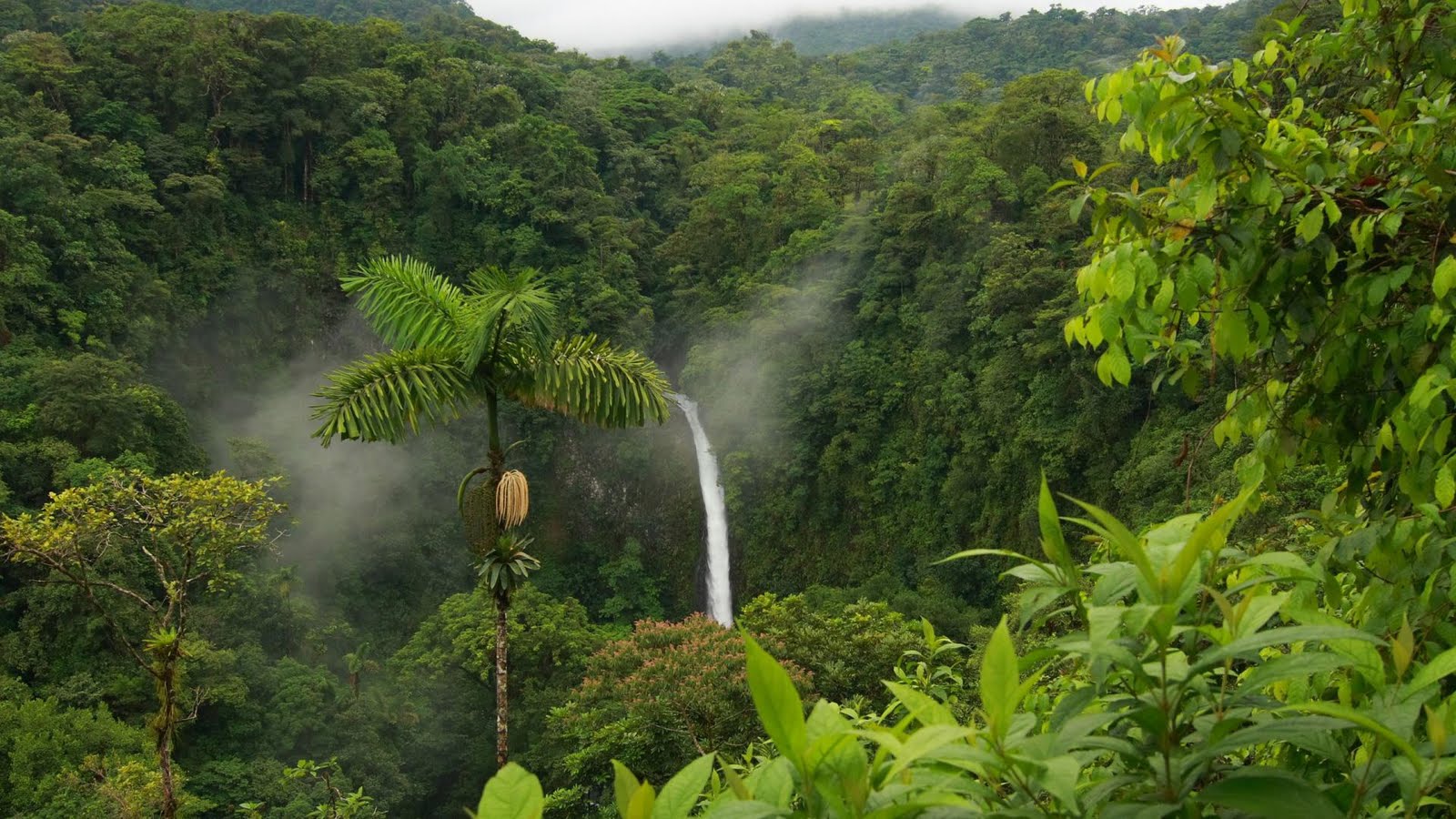
Tree Plantation in India: Benefits, Environmental Impact and How to Get Involved

Tree Plantation in India: Benefits, Environmental Impact and How to Get Involved
Tree plantation in India is an important step towards protecting biodiversity, improving green cover, supporting healthier communities and building a more sustainable future. As cities expand and environmental pressures increase, planting and caring for trees can help restore green spaces, protect soil, support wildlife and improve the quality of life for people.
However, successful tree plantation involves more than putting a sapling in the ground. It requires choosing suitable tree species, understanding local environmental conditions, protecting young plants and encouraging communities to care for them over time.
Human Impact Foundation (HIF) works to promote environmental conservation through tree plantation, urban forest restoration, environmental literacy and corporate social responsibility (CSR) initiatives. Its mission includes planting Tree Plantation in India: Benefits, Environmental Impact and How to Get Involved
1 million trees across India by 2031.
This guide explains why tree plantation matters, how plantation initiatives work, which trees may be suitable for different Indian regions, and how individuals, schools and businesses can contribute to environmental conservation.
What Is Tree Plantation in India?
Tree plantation is the process of planting trees in suitable locations to increase green cover, restore degraded land, improve local ecosystems and support biodiversity. In India, tree plantation initiatives may take place in urban areas, educational institutions, community spaces, rural landscapes and suitable restoration sites.
A successful plantation programme considers the local climate, soil, rainfall, water availability and ecological needs before selecting species.
Tree plantation is most effective when planting is combined with appropriate maintenance, community participation and monitoring. The goal should not simply be to count the number of saplings planted, but also to support their healthy growth and long-term survival.
Why Is Tree Plantation Important in India?
India's diverse landscapes range from forests and agricultural regions to rapidly growing urban centres. Trees provide environmental benefits that are valuable across these different settings.
1. Supports Climate Change Mitigation
Trees absorb carbon dioxide as they grow and store carbon in their trunks, branches, roots and surrounding soil. Protecting existing forests and restoring suitable landscapes can therefore contribute to climate change mitigation.
The amount of carbon stored depends on factors such as tree species, age, growth conditions, soil and survival. Tree plantation should complement wider efforts to reduce greenhouse gas emissions rather than replace them.
2. Helps Improve Urban Green Spaces
Urban tree plantation can provide shade, contribute to cooler surroundings and improve the liveability of neighbourhoods. Trees planted in suitable locations may also help reduce heat exposure for pedestrians and create more comfortable outdoor spaces.
Urban plantation planning should consider underground utilities, roads, buildings, available soil volume and the mature size of each species.
3. Supports Biodiversity
Trees can provide food, shelter and nesting opportunities for birds, insects and other wildlife. Native tree species are often particularly valuable because local wildlife may depend on them for food and habitat.
Plantation programmes should prioritise ecological suitability and diversity rather than planting a single species everywhere.
4. Helps Protect Soil
Tree roots can help stabilise soil and reduce erosion in appropriate landscapes. Leaf litter and organic matter can also contribute to soil health.
Planting must be designed for the site: the right vegetation, ground cover and restoration methods depend on the slope, soil conditions, rainfall and existing ecosystem.
5. Contributes to Water and Ecosystem Management
Trees interact with rainfall, soil moisture and groundwater through processes such as interception, infiltration and water use. Their overall effect depends on the location, species and surrounding landscape.
In water-stressed regions, plantation plans should account for water availability and avoid species that could place excessive pressure on local water resources.
6. Encourages Environmental Awareness
Tree plantation drives offer practical opportunities for students, families, employees and communities to learn about biodiversity, climate change and responsible environmental practices.
When participants understand why trees matter and how to care for them, a plantation initiative can become a longer-term environmental education programme.
Major Types of Tree Plantation Initiatives in India
Different landscapes require different plantation and restoration approaches. Choosing the right method is essential for achieving meaningful environmental outcomes.
Urban Tree Plantation
Urban tree plantation focuses on increasing green cover in cities and towns. Depending on local permissions and site suitability, projects may involve parks, institutional campuses, neighbourhood green spaces and other appropriate locations.
Good planning includes species selection, adequate rooting space, watering arrangements and long-term maintenance.
Urban Forest Restoration
Urban forest restoration aims to improve ecological conditions in suitable urban or peri-urban spaces. Depending on the site, projects may involve native vegetation, habitat improvement and community participation.
The objective is to develop healthier green spaces that support biodiversity and improve local environmental quality.
Community Tree Plantation Drives
Community plantation drives bring residents, volunteers, schools and local organisations together to take part in environmental action.
Their effectiveness improves when organisers provide clear planting guidance, suitable saplings, watering arrangements and follow-up care responsibilities.
School and College Plantation Programmes
Educational institutions can use tree plantation as a practical learning activity. Students can participate in planting, maintain campus greenery, identify local species and study environmental issues.
These programmes are especially valuable when combined with environmental literacy, classroom learning and regular monitoring.
Corporate Tree Plantation and CSR Programmes
Companies can support suitable tree plantation and restoration projects as part of broader environmental and corporate social responsibility initiatives.
A well-designed programme should begin with clear objectives, appropriate project locations, defined responsibilities and a plan for measuring outcomes. Businesses should also ensure that each CSR activity aligns with applicable requirements and their wider sustainability strategy.
Human Impact Foundation works with corporate partners on CSR, ESG and environmental initiatives. Companies can explore these opportunities through HIF's Corporate CSR Services.
Which Trees Are Suitable for Plantation in India?
There is no single tree species that is best for every part of India. Species selection should reflect local ecology, soil, rainfall, temperature, available space and the purpose of the plantation.
Examples of species that may be suitable in particular settings include:
Neem: A drought-tolerant option in many suitable regions once established, subject to local site conditions.
Peepal: A large native tree that can provide habitat and shade where sufficient space is available.
Banyan: A large-canopy tree that requires substantial space and careful location planning.
Arjun: A species associated with suitable moist environments and some riverine settings.
Jamun: A fruit-bearing tree that can support people and wildlife in appropriate climates.
Amaltas: A flowering tree that may be suitable for various urban and roadside settings where local conditions permit.
These are examples, not a universal planting list. Local forestry experts or ecological practitioners should confirm which native species are appropriate for a particular site.
Before starting a plantation drive, organisers should consider the following:
Identify the site and understand its ecological conditions.
Choose locally appropriate species.
Check permissions and ownership where required.
Plan watering, protection and maintenance.
Assign responsibility for monitoring plant survival.
Record progress and learn from the results.
How to Organise a Successful Tree Plantation Drive
A tree plantation drive becomes more effective when it is planned as a complete environmental project rather than a one-day event.
Step 1: Define the Objective
Decide whether the initiative aims to restore a degraded site, increase urban shade, improve biodiversity, educate students or engage corporate employees.
The objective will influence the location, species, scale and monitoring approach.
Step 2: Assess the Plantation Site
Evaluate soil, sunlight, rainfall, water availability, available space and existing vegetation. Check whether the site is suitable for the proposed trees and whether permissions are needed.
Step 3: Select Suitable Saplings
Choose healthy saplings of species suited to the local environment. Native species should be prioritised where appropriate, with expert guidance for ecologically sensitive locations.
Step 4: Plan the Planting Activity
Schedule planting according to local rainfall and site conditions. In many parts of India, the monsoon offers favourable conditions, but the appropriate timing varies by region.
Ensure participants have suitable tools, instructions, water and safety arrangements.
Step 5: Provide Aftercare
Newly planted trees may need watering, mulching, protection from damage and periodic inspections. Care requirements vary by species, season and site.
Aftercare responsibilities should be assigned before the plantation begins.
Step 6: Monitor and Measure Results
Record the number of saplings planted, species selected, planting locations and maintenance activities. Conduct follow-up checks to estimate survival and identify problems.
Transparent reporting helps organisations understand whether the project is achieving its environmental objectives.
How Can Individuals Contribute to Tree Plantation in India?
Individuals can support environmental conservation through practical, consistent actions.
Donate to a credible environmental organisation supporting plantation or restoration projects.
Volunteer for local tree plantation drives.
Plant suitable trees where permission, space and maintenance are available.
Participate in neighbourhood greening and biodiversity awareness activities.
Encourage schools and workplaces to organise environmental learning programmes.
Support the protection of existing trees and natural habitats.
If you would like to contribute through a plantation initiative, visit the Human Impact Foundation Plant Now page.
How Can Companies Support Tree Plantation Through CSR?
Corporate environmental programmes can connect sustainability goals with practical environmental action and employee engagement.
Companies considering a tree plantation drive should establish measurable objectives and evaluate the ecological suitability of the proposed project.
A structured corporate plantation programme may include:
Site assessment and plantation planning.
Selection of suitable species.
Employee volunteering and environmental awareness.
Coordination with local communities and project partners.
Maintenance and follow-up monitoring.
Documentation of activities and outcomes.
Companies should distinguish between the number of trees planted, the number surviving, the ecological benefits achieved and any carbon claims made. These measures are not interchangeable.
Human Impact Foundation supports corporate CSR and ESG initiatives designed to encourage environmental action and sustainability awareness. Organisations can contact HIF to discuss a programme aligned with their objectives.
Explore CSR and environmental programmes by Human Impact Foundation.
Human Impact Foundation: Supporting Tree Plantation and Environmental Conservation
Human Impact Foundation is an environmental non-profit organisation working to promote environmental health, social equity and sustainable development.
Its activities include tree plantation and environmental restoration, environmental literacy, and CSR and ESG initiatives. The organisation aims to plant 1 million trees across India by 2031.
Through partnerships with individuals, educational institutions, corporate organisations and communities, HIF encourages people to take part in environmental conservation.
Its approach connects plantation activities with environmental awareness and collective responsibility. By involving different groups in sustainability initiatives, HIF seeks to encourage lasting environmental action.
People interested in supporting tree plantation, volunteering or contributing to environmental initiatives can learn more through the official Human Impact Foundation website.
Conclusion: Build a Greener Future Through Tree Plantation
Tree plantation in India can contribute to healthier green spaces, biodiversity conservation, soil protection and climate change mitigation when it is planned carefully and supported by long-term maintenance.
The most effective plantation initiatives combine suitable native species, responsible site selection, community participation and transparent monitoring. Protecting existing trees and natural ecosystems is equally important.
Individuals, schools and companies can all play a role in environmental conservation through volunteering, donations, educational activities and well-planned CSR programmes.
Human Impact Foundation's mission to plant 1 million trees by 2031 provides an opportunity for people and organisations to participate in a shared environmental goal.
Take the next step: Visit Human Impact Foundation to learn about its tree plantation, environmental restoration and sustainability initiatives.
Frequently Asked Questions About Tree Plantation in India
1. Why is tree plantation important in India?
Tree plantation helps increase green cover, support biodiversity, reduce soil erosion and absorb carbon dioxide as trees grow. Choosing suitable native species and providing proper maintenance can improve long-term environmental benefits.
2. What are the main benefits of tree plantation?
The main benefits of tree plantation include supporting wildlife, improving urban green spaces, providing shade, protecting soil and contributing to climate change mitigation. The actual benefits depend on the tree species and local environmental conditions.
3. How can I participate in a tree plantation drive in India?
You can participate by volunteering with an environmental NGO, joining community plantation activities, supporting local environmental projects or planting suitable trees in permitted locations. Contact Human Impact Foundation to explore its environmental initiatives.
4. How can companies support tree plantation through CSR?
Companies can support tree plantation through CSR by partnering with environmental organisations, sponsoring suitable plantation projects, engaging employees in volunteering activities and monitoring tree survival. Programmes should have clear objectives and transparent reporting.
5. Which NGO can I contact for tree plantation initiatives in India?
Human Impact Foundation is an environmental organisation working on tree plantation, environmental restoration and environmental awareness initiatives. Visit humanimpactfoundation.org to learn more about its programmes and partnership opportunities.