Make your corporation's CSR budget work for you by utilizing your money to plant trees, freshen your environment, and organize staff engagement programmes that have defined goals and follow-through. Be a CSR partner and begin planning your project now.
3-Year Post-Plantation Care
There is a wider range of CSR activities Indian companies can support, from plantation to awareness work. The sections below cover the main CSR environmental activities Indian teams typically choose.
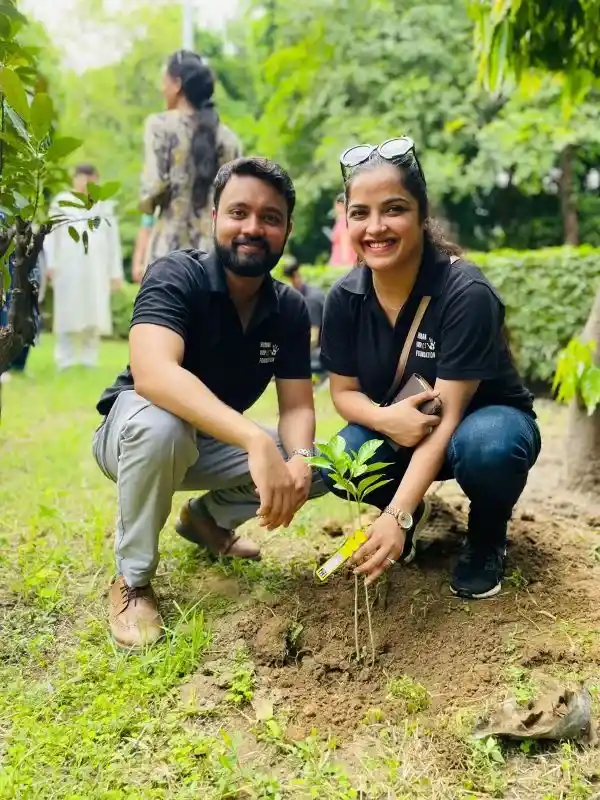
Plantation programmes are the most recognisable environmental CSR activity. They give companies a visible way to support green cover while involving employees and stakeholders directly. Species and land selection shape long-term success.
Afforestation drives, typically conducted under CSR afforestation India, serve the purpose of restoring degraded land as well as increasing tree cover. Afforestation projects typically require more time and close collaboration with forest departments or local landowners.
Awareness programs create awareness among employees/students or local people about conservation, waste management and sustainable living practices. Such programs typically work in tandem with plantation/restoration activities to increase the outreach of CSR initiatives beyond just the project site.
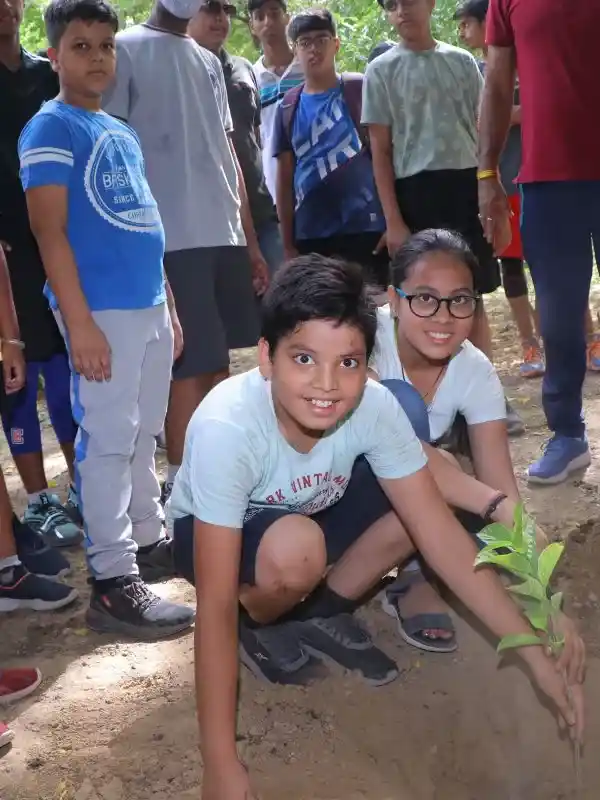
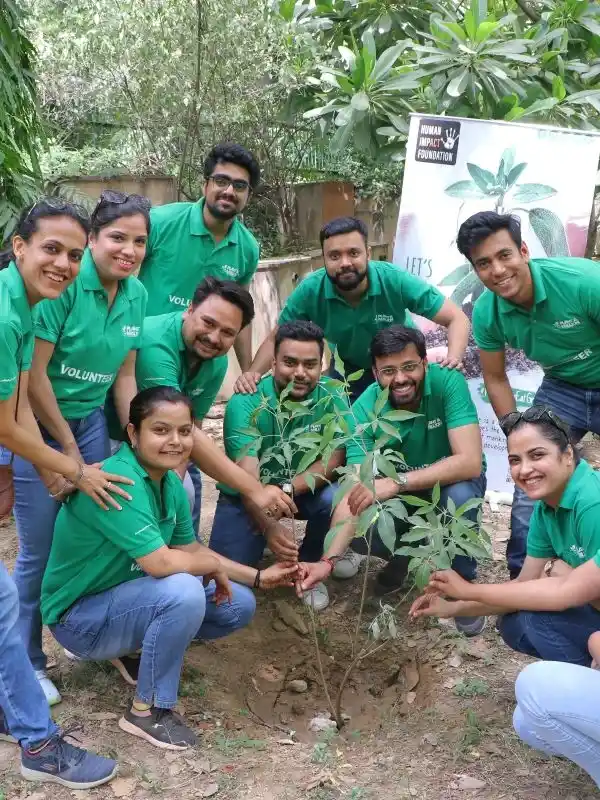
The practice of environmental CSR provides the HR department and CSR team of the company an effective means of engaging their employees through plantation drives, volunteering drives and other sustainability campaigns.
There are companies which help conduct projects which encourage sustainable living practices among communities through responsible water usage, waste management and environmentally friendly livelihoods.
Climate-focused CSR activities centre on reducing environmental impact through conservation and restoration work rather than isolated offset claims. Tree plantation remains the most direct way companies contribute to this goal.
Tree Plantation for CSR in India can help businesses become successful at promoting environmental regeneration, community involvement, and sustainability objectives.
The selection of site and tree species should consider the conditions of soil, water availability, and biodiversity, as incorrect selection of both will hamper future success. This issue is considered in advance in the case of any CSR tree plantation India.
Farmers, residents, or forest department employees can help maintain the plantation and take care of the trees planted. Corporate tree planting India projects with community involvement are more successful compared to one-off events.
Saplings require watering and other forms of maintenance well after the day of plantation. It can be dangerous for any CSR tree planting programs not to include this phase of the process, irrespective of the number of saplings planted.
Executing a CSR tree plantation programme well requires more structure than simply picking a date and inviting volunteers.
Every programme starts with a clear picture of the company's CSR budget, timeline, and preferred area of environmental focus, so the initiative is planned around real objectives rather than a generic template.
Based on those objectives, HIF helps identify whether plantation, restoration, or an awareness-led programme is the better fit, rather than defaulting to a single type of activity for every company.
A detailed plan is built around location, timeline, species selection, and expected milestones, giving the CSR team a clear reference point for what the initiative will involve at each stage.
On-ground execution is coordinated with local partners, land owners, or forest department contacts as needed, so the plantation or restoration activity is handled by people familiar with the site.
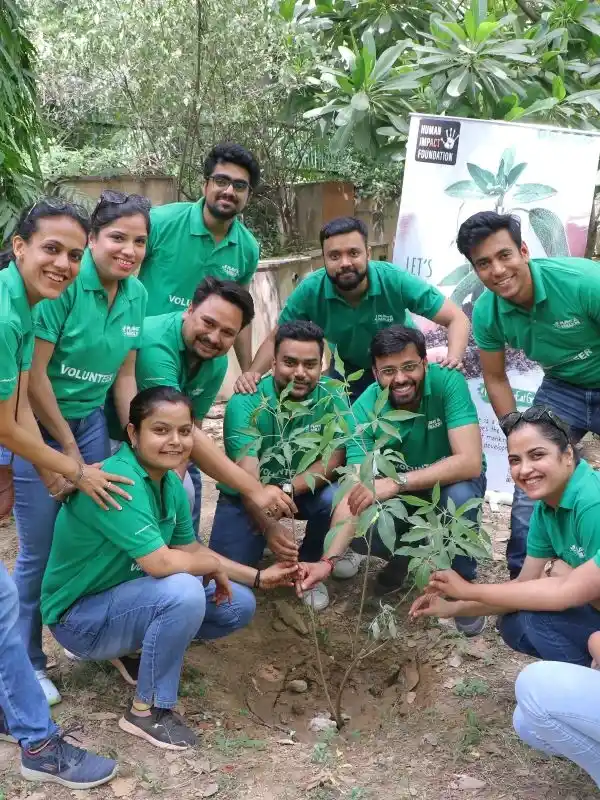
Where relevant, employees or community members are involved in plantation days or awareness activities, giving the CSR programme a participatory element beyond funding alone.
Plantation sites are monitored at regular intervals after implementation to track survival and catch any issues early, rather than assuming the initial activity guarantees long-term results.
Watering, protection, and follow-up care continue over the following seasons, since maintenance in the months after plantation often determines the outcome more than the plantation day itself.
Relevant updates are shared with the company as the project progresses, so CSR teams have visibility into implementation rather than waiting until the end of the cycle for a summary.
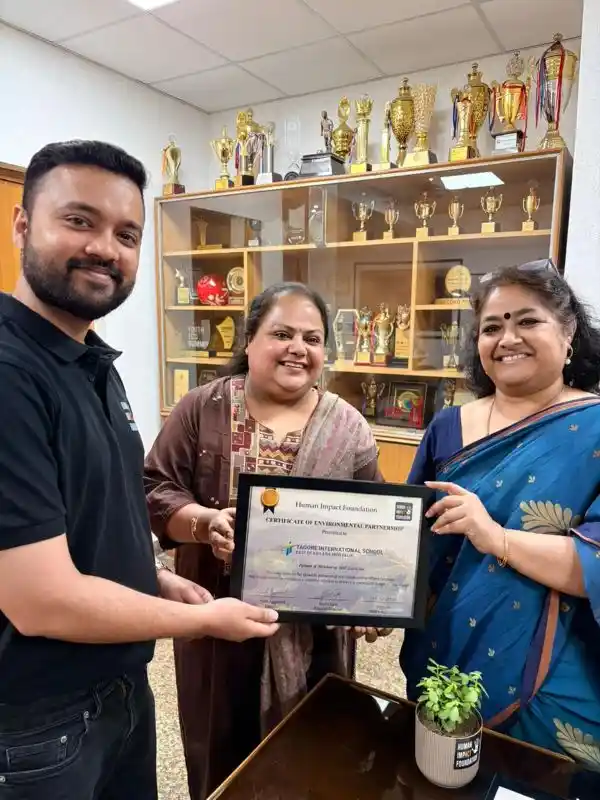
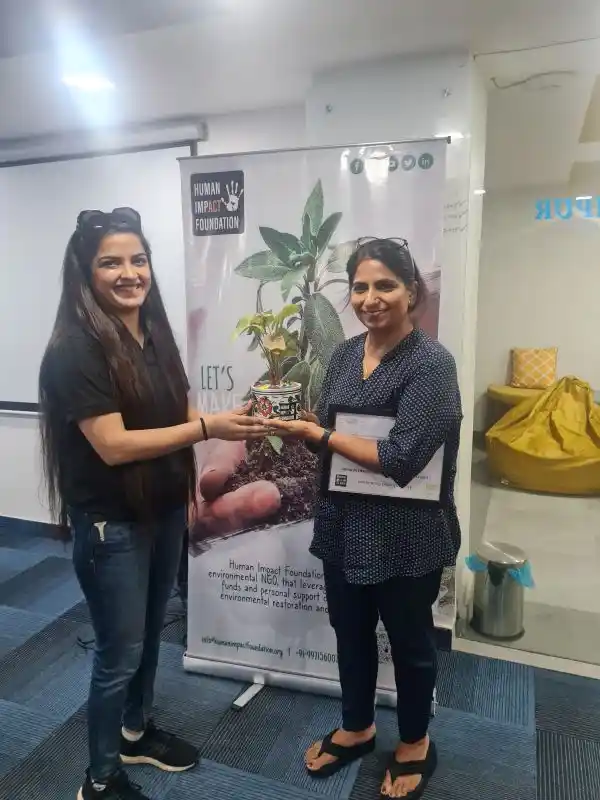
Human Impact Foundation works specifically in the environmental space, which means CSR conversations start with a shared focus rather than a generic proposal. Corporate partnerships are shaped around each company's objectives, whether that involves plantation, restoration, awareness programmes, or a combination of activities.
Employee engagement is built into how these initiatives are planned, giving CSR and HR teams a way to involve staff directly rather than treating CSR as a purely financial transaction.
Projects are designed with a long-term environmental orientation, since a one-time activity without follow-through does little for lasting impact.
Companies exploring environmental CSR for the first time, as well as those looking for a partner to execute an existing plan, can work with HIF to define a project scope that fits their objectives and timeline.
HIF is registered with 12A, 80G, and CSR-1 certification, meeting the compliance requirements companies need when directing CSR funds toward an environmental partner. This registration status can be verified as part of the partnership discussion.
Moving from a CSR commitment to actual environmental impact depends on how well each stage of the process is handled.
Each project involves establishing clear objectives as well as choosing the environmental activity appropriate to the CSR policy adopted by the organization – plantations, restoration or awareness driven projects.
Employees or stakeholders participate in the activity wherever possible, as in plantation days and provide the CSR programme with a participatory element.
Implementation of the activity on the ground involves everything from site preparation to the plantation and restoration activities performed by the teams experienced with the site.
The site is monitored regularly after implementation because the environmental impacts, such as the survival of the saplings, have a gestation period before they become evident.
This process is documented through visits to the site, pictures, reports and other means, providing the organization with an accurate account of the progress made.
The impacts are then measured against the set objectives after completion of the initiative without resorting to exaggeration in the description of the results.
The success of CSR activities is defined by how things progress beyond the first action itself. Ongoing monitoring, maintenance, participation, and reporting make or break an environmental activity.
Plantation monitoring should be done long after the initial few weeks since the growth of plants depends more on other factors such as season and soil rather than just the plantation date.
Maintenance is often the most overlooked part of environmental CSR, yet it directly determines project outcomes. Regular watering, protection from grazing, and replacing saplings that do not survive all matter.
Employee and community participation contribute to sustainability as well. When local communities or employees stay involved beyond the initial event, sites tend to receive better ongoing care long-term.
Transparent reporting closes the loop, with regular documentation of project status rather than a single summary at cycle end, allowing CSR teams to report genuine, verified outcomes internally.
There is a natural association between some of the Environmental Corporate Social Responsibility tree plantation strategies and the UN Sustainable Development Goals, which provides a means for businesses to contextualize their environmental efforts as part of larger sustainability reporting.
The tree plantation and restoration strategy falls under Life on Land due to its direct link to biodiversity and the health of ecosystems, while the awareness programs surrounding water conservation fall under Clean Water and Sanitation.
The climate-based strategies contribute towards Climate Action, and those which involve communities or urban green spaces also contribute towards Sustainable Cities and Communities.
Partnerships between businesses and NGO’s for environmental purposes demonstrate the collaborative effort involved with Partnerships for the Goals.
For companies that want to explore the possibilities of engaging in environmental CSR initiatives, you may begin with a discussion about your goals, your budget, and the specific area that you wish to cover with the help of the HIF team.
From there, HIF will be able to prepare a plan and schedule for the implementation of your project in line with your CSR objectives so that everyone will know what to expect through every phase of the initiative.
Becoming a CSR Partner will mean initiating a dialogue on how your CSR budget can work for your company's environmental projects this year.
Fill out the brief details below and our environmental CSR team will share a customized project roadmap.
Clear answers on regulations, implementation, tracking, and partnership models with HIF.
Environmental CSR activities in India typically include tree plantation, afforestation, ecosystem restoration, environmental awareness campaigns, and employee engagement initiatives that fall under a company's broader CSR strategy.
Companies can support tree plantation for CSR by partnering with a registered NGO that manages site selection, plantation activities, and long-term maintenance on their behalf, either as a standalone project or as part of a larger initiative.
A CSR tree plantation programme is a structured environmental initiative that covers planning, plantation, monitoring, and maintenance, rather than a single plantation event with no follow-up.
Look for an NGO with valid 12A, 80G, and CSR-1 registration, a clear implementation process, and a track record of transparent reporting on project progress.
Yes, many companies include employees directly in corporate tree planting initiatives as part of their CSR and employee engagement strategy, alongside the core plantation and restoration work.
Companies should evaluate legal registration, implementation capability, communication, and how clearly the NGO can document and report on project progress before finalising a CSR partnership.
Companies can begin by sharing their CSR objectives and budget with the HIF team, who will help identify a suitable environmental initiative and outline a project plan from there.